The Gravity of Great Expectations
In the spring of 1720, Sir Isaac Newton—the man who untangled the rainbow and defined the laws of gravity—did something spectacularly foolish. He bought stock in the South Sea Company.
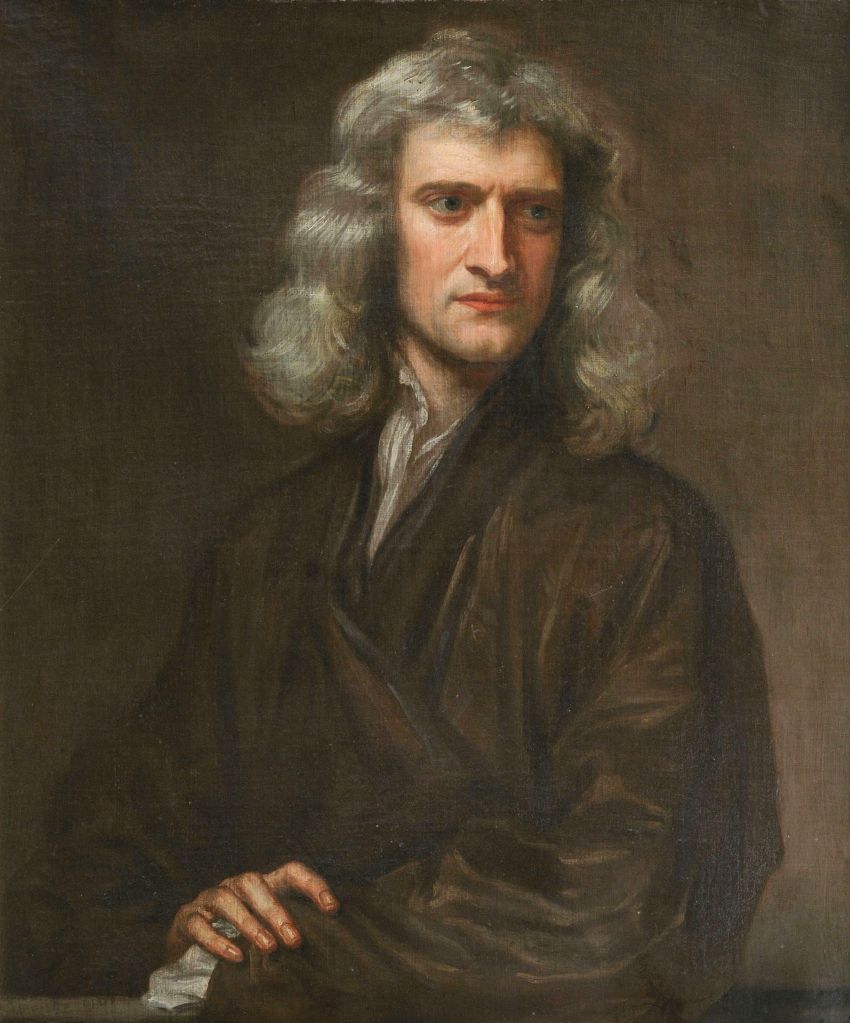
He was a genius, arguably the smartest man who ever lived. But as the stock soared, he panicked, bought more at the top, and eventually lost £20,000 (millions in today’s money) when the bubble burst. He later famously muttered, “I can calculate the motion of heavenly bodies, but not the madness of people.”
It is a comforting thought for us mere mortals. If the man who invented calculus couldn’t figure out a “pump and dump,” what chance do we have? The market does not care about your IQ. It does not care about your logic. It is a beast of pure, unadulterated emotion.
Today, the market proved Newton right once again. It ignored the physics of earnings and surrendered to the madness of expectations.
1. “Not Quite My Tempo”
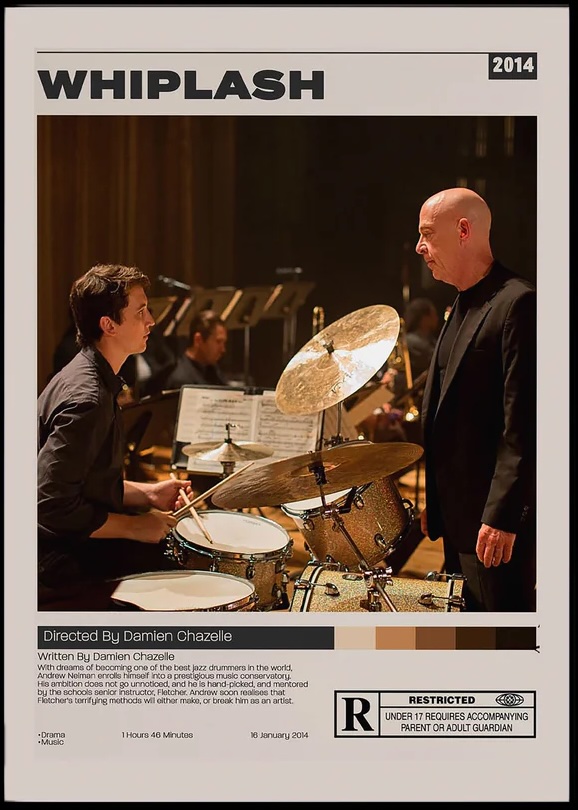
The market today reminded me of Terence Fletcher, the terrifying jazz instructor from the movie Whiplash.
In the film, the protagonist plays the drums with bleeding hands, executing a complex rhythm perfectly. Fletcher listens, waits for a beat, and then hurls a chair at his head. “Not quite my tempo,” he sneers.
Broadcom ($AVGO) is the drummer.
Yesterday, they played a perfect set. They beat earnings expectations ($1.95 EPS vs $1.87). They beat revenue ($18.0B vs $17.5B). Their AI revenue surged 74%. They have a backlog of $73 billion—enough orders to keep their factories humming for years.
And what did the market do? It threw a chair.
Broadcom stock crashed 11.4%.
Why? Because Mr. Market, like Fletcher, is a sadistic perfectionist.
- “Your backlog is $73 billion? Nvidia’s is bigger.”
- “You beat earnings? But you didn’t raise your full-year guidance enough.”
- “You rely too much on Google? What if they leave you?”
It wasn’t about the performance. It was about the tempo. The market wanted an explosion; Broadcom gave them a steady, profitable hum. And in this “AI Bubble” era, what Mr. Market wants is a much faster tempo.
2. The Oracle Prophecy (That Wasn’t)
If Broadcom was the victim of high standards, Oracle was the victim of a whisper campaign.
At 10:57 AM, a rumor spread through the trading floor like a contagion. A report claimed that Oracle’s massive “Stargate” data center for OpenAI—the infrastructure meant to power the next generation of intelligence—was delayed from 2027 to 2028 due to labor shortages.
The reaction was immediate and visceral. The “AI Capex is slowing” narrative took hold. Fermi Energy, a company building power plants for these data centers, collapsed 34% in minutes. It was a massacre based on a timeline shift.
Oracle denied it later, claiming everything was on schedule. But the damage was done. The market had already calculated the “madness of people” and sold off. It felt like watching a crowd trample each other to exit a theater because someone thought they smelled smoke.
3. The Hawks in the Wings
While the tech sector was eating itself, the Federal Reserve provided the grim soundtrack.
Austan Goolsbee and Jeffrey Schmid—the Fed officials who voted against this week’s rate cut—stepped up to the microphone. They didn’t soothe the market; they scolded it. They reminded everyone that inflation is still “sticky” and that the labor market, while cooling, isn’t dead.
Their comments pushed the 10-Year Treasury Yield up to 4.19%. This is the invisible gravity that pulls everything down. When yields rise, the “future money” of AI stocks becomes less valuable. It makes the chair that Fletcher throws feel even heavier.
Conclusion
Sir Isaac Newton eventually banned anyone from speaking the words “South Sea” in his presence. He retreated to the quiet geometry of his study, back to the predictable, comforting laws of physics where every action had an equal and opposite reaction, and apples fell down, not up.
We, however, do not have the luxury of such exile. We must live in the madness. We must walk through the crowded market where chairs are thrown at perfect drummers and whispers turn into hurricanes.
But there is a lesson here, drifting like smoke in a jazz club. When the market acts like Fletcher, hurling abuse at excellence, demanding a tempo that no human hand can play, it is usually time to stop drumming. It is time to step off the stage, walk out the back door into the cool night air, and just listen.
The music hasn’t stopped. It has just changed keys, shifting from a major chord to something minor, something unresolved. The city lights of Los Angeles blink on, one by one, indifferent to our gains and losses. The stars are up there, behind the smog, following their own ancient, silent algorithms. And down here, we wait for the rhythm to find us again.
Disclaimer: I am not a financial advisor. I am just a man sitting under a tree, hoping the apple that falls is fruit, and not a chair. Do your own research.


Leave a Reply